
Plant-Based Healthy Cooking Methods
Discover proven techniques and strategies for preparing nutritious plant-based meals at home. Explore our comprehensive guides on modern cooking methods that preserve nutrients and enhance flavor.
The information on this site is for educational purposes only and does not constitute medical advice. Always consult a qualified healthcare professional before making health decisions.
Filter by Category
Cooking Methods & Techniques
Steaming
Gentle heat cooking method that preserves vitamins and minerals while maintaining vibrant colors. Perfect for vegetables, grains, and legumes that benefit from tender texture without nutrient loss.
Roasting
High-heat dry cooking that caramelizes vegetables and develops complex flavors. Enhances natural sweetness and creates crispy textures while maintaining nutritional integrity through controlled temperature application.
Sautéing
Quick cooking in plant-based oils over medium-high heat. Ideal for developing flavors rapidly while maintaining crisp-tender texture. Works well with aromatic vegetables and plant proteins.
Air Frying
Modern convection cooking using minimal oil and circulating hot air. Creates crispy exteriors while keeping interiors tender. Excellent for plant-based proteins, vegetables, and grain-based dishes.
Pressure Cooking
Fast cooking under steam pressure that reduces cooking time significantly. Ideal for beans, lentils, and grains while retaining nutrients through minimal liquid exposure and shorter duration.
Raw Food Preparation
No-heat cooking methods including blending, chopping, and fermenting. Preserves all enzymes and maximum nutrients while creating varied textures through mechanical preparation techniques.
Slow Cooking
Gentle, extended cooking at low temperatures that tenderizes plant proteins and develops deep flavors. Perfect for stews, chilis, and legume-based dishes with minimal hands-on time.
Grilling & Charring
Direct-heat cooking creating distinctive charred flavors and smoky profiles. Ideal for vegetable steaks, mushrooms, and hearty plant-based proteins. Adds complexity through controlled carbonization.
Steaming vs. Boiling: A Nutritional Comparison
Steaming and boiling are both moist-heat cooking methods, but they differ significantly in nutrient preservation. Steaming suspends vegetables above boiling water, exposing them to steam without direct liquid contact, which minimizes nutrient leaching into cooking water.
Boiling, conversely, immerses vegetables directly in water, causing water-soluble vitamins such as vitamin C and B vitamins to dissolve into the cooking liquid. Studies show steamed vegetables retain approximately 25-30% more vitamins compared to boiled alternatives, making steaming the superior choice for nutrient-dense plant-based cooking.
Better Texture: Steaming preserves crisp-tender consistency
Enhanced Flavor: No flavor dilution into cooking water
Nutrient Retention: Minimal vitamin and mineral loss
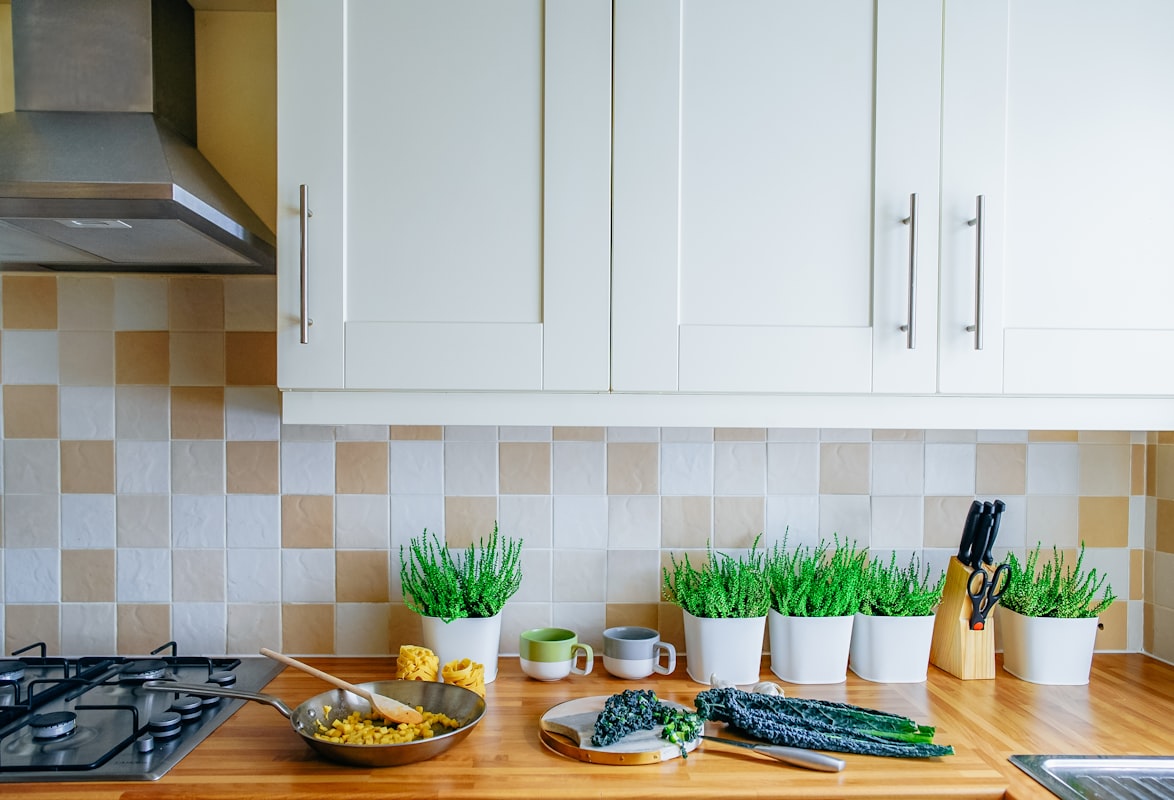
Air Frying Vegetables: Step-by-Step Guide
Prepare Vegetables
Wash and cut vegetables into uniform, bite-sized pieces. Pat dry thoroughly with paper towels to remove excess moisture, ensuring even cooking and optimal crispness throughout.
Season Generously
Toss vegetables with minimal plant-based oil, salt, pepper, and desired spices. Use about 1 teaspoon oil per pound of vegetables. This light coating ensures flavor development and prevents drying.
Preheat & Arrange
Preheat air fryer to 380-400°F for 3-5 minutes. Arrange vegetables in a single layer without overcrowding, ensuring air circulates freely around each piece for consistent cooking.
Cook & Monitor
Cook for 12-18 minutes, shaking the basket halfway through for uniform browning. Check for desired crispness—softer vegetables finish first, heartier ones may need additional time.
Visual Inspiration: Plant-Based Dishes
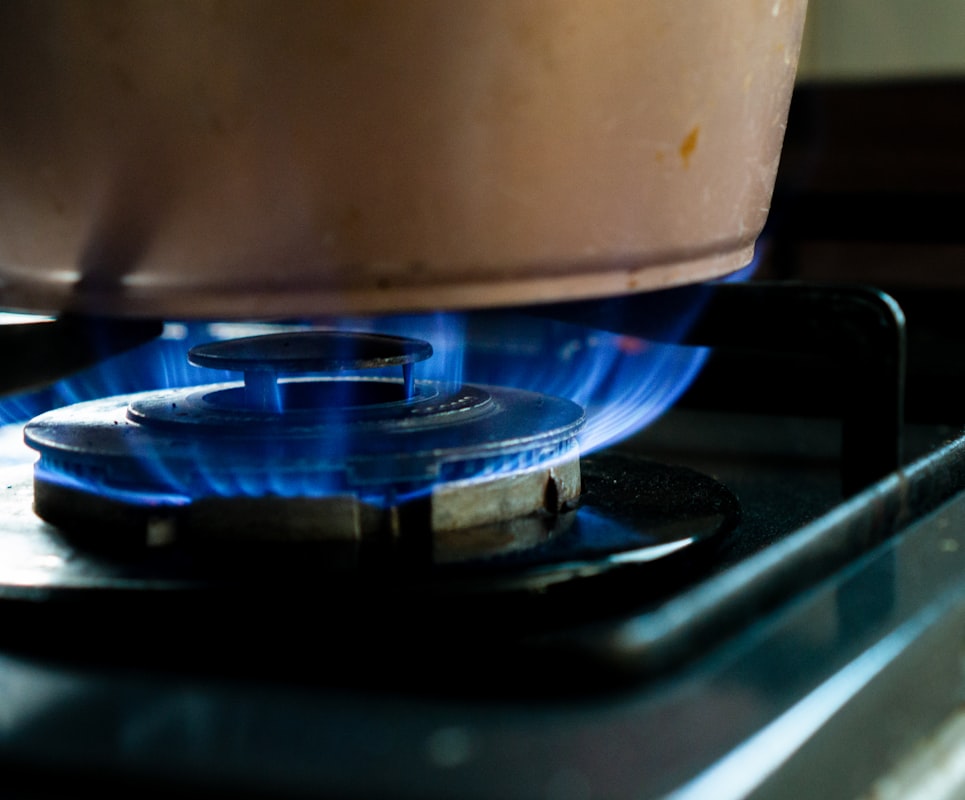
Roasted Rainbow Vegetables
Mixed seasonal vegetables with herb-infused oil
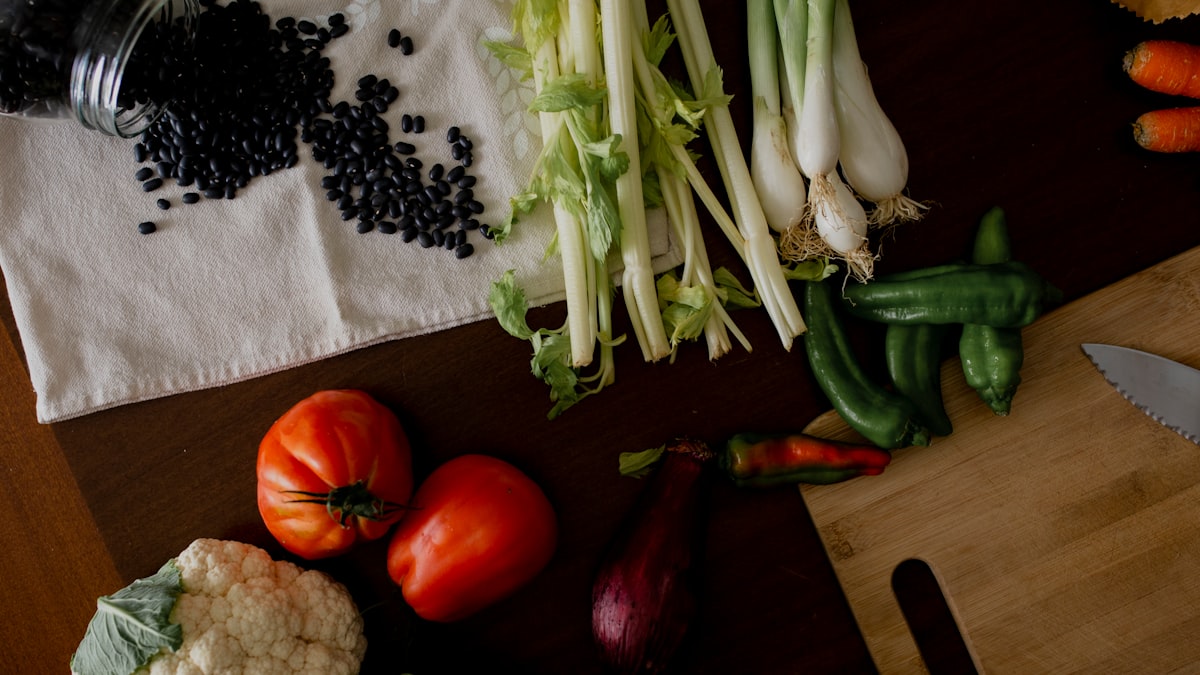
Steamed Asian Greens
Tender vegetables with umami seasoning
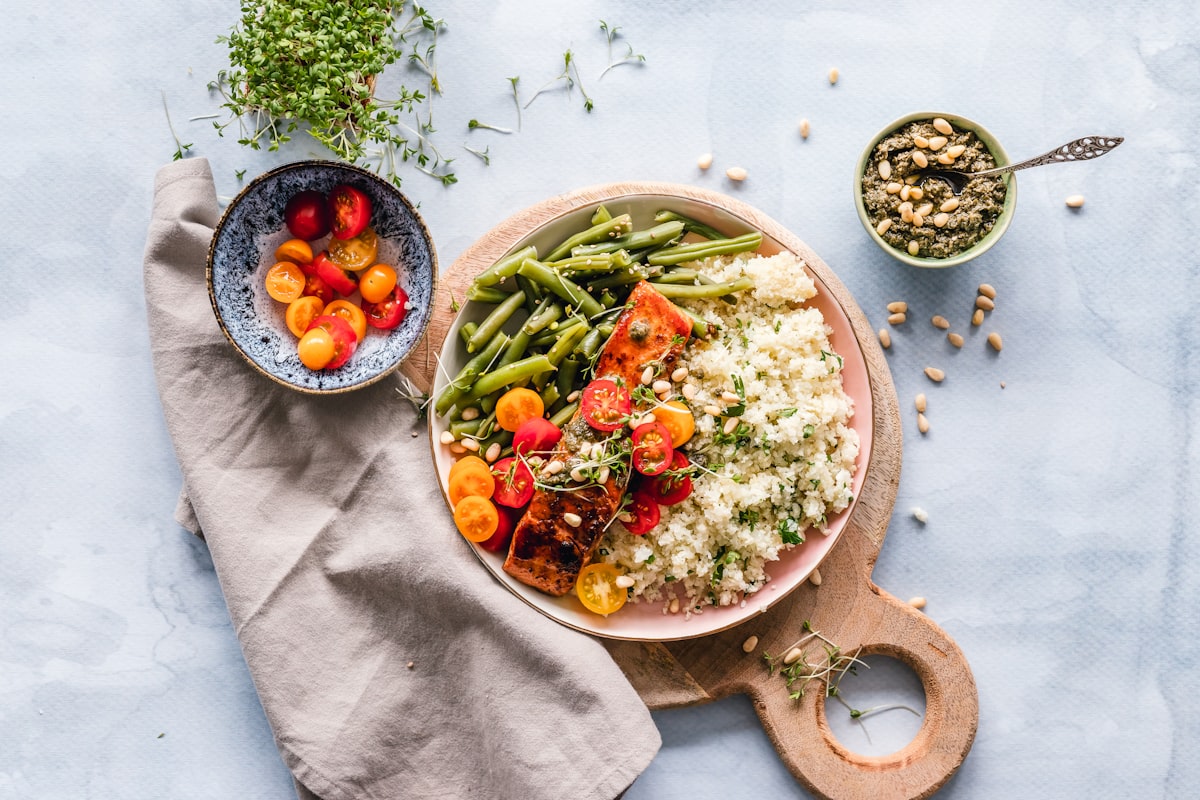
Air-Fried Protein Bites
Crispy legume-based appetizers
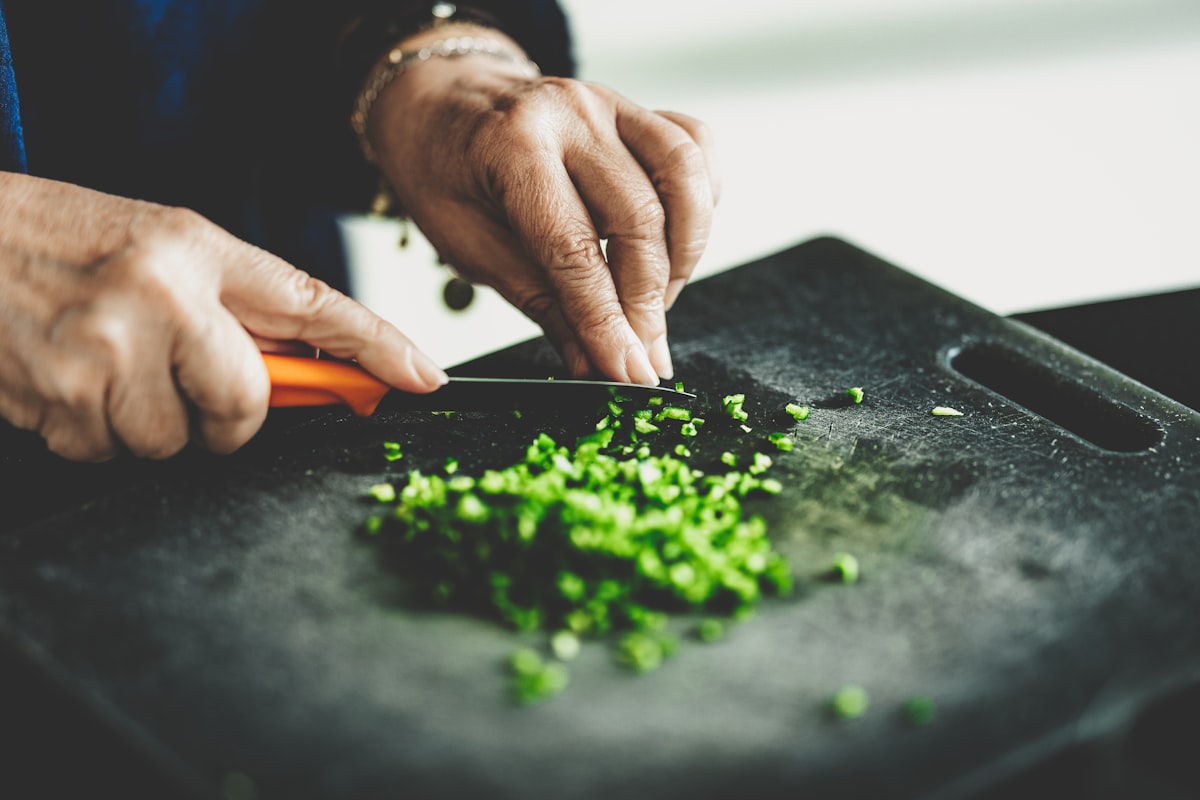
Slow-Cooked Hearty Stew
Tender vegetables in aromatic broth
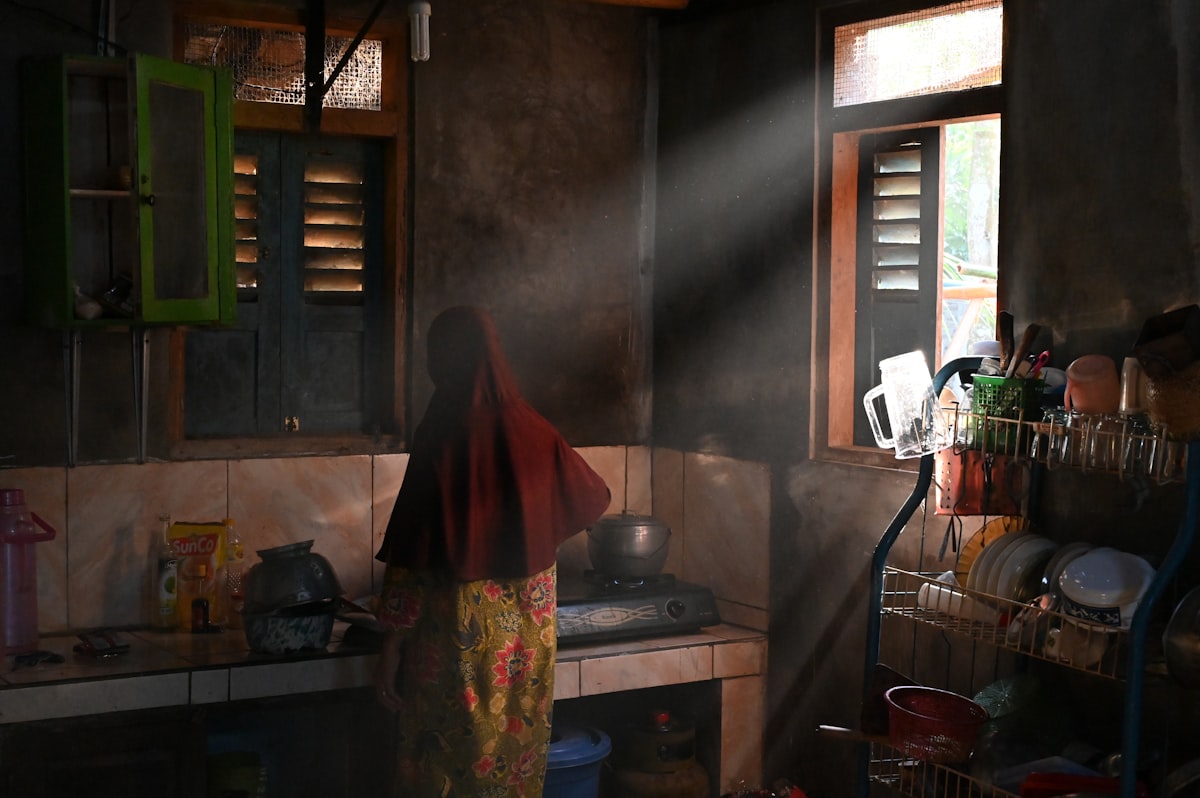
Charred Vegetable Skewers
Smoky grilled vegetables with caramelized edges
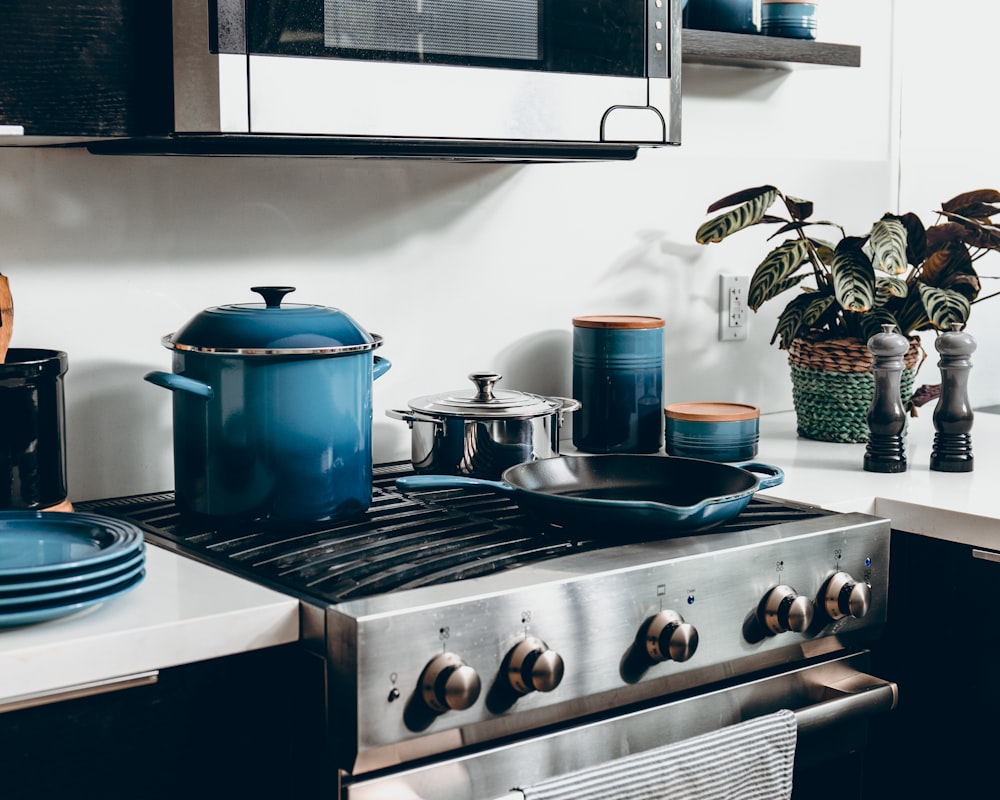
Raw Enzyme-Rich Salad
Vibrant uncooked vegetables with plant proteins
Frequently Asked Questions
Which cooking method preserves the most nutrients?
Steaming and raw food preparation are superior for nutrient retention. Steaming minimizes nutrient loss into cooking water while maintaining texture. Raw preparation preserves all heat-sensitive vitamins and enzymes, making it ideal for vegetables highest in these compounds.
How long should I air fry vegetables?
Air frying times vary by vegetable type and size. Most vegetables cook in 12-18 minutes at 380-400°F. Delicate items like asparagus need 10-12 minutes, while denser vegetables like root vegetables may need 18-20 minutes. Check halfway through for even browning.
Is boiling acceptable for plant-based cooking?
Boiling works for cooking grains and legumes where you'll consume the liquid (soups, stews). For vegetables served separately, boiling causes significant nutrient loss. Reserve boiling for legumes where the cooking water is used in the final dish, preventing nutrient waste.
Can I use high-heat methods without reducing nutrition?
High-heat methods like roasting and grilling do cause some nutrient loss, but create valuable flavor development. The key is controlling temperature—medium-high heat (375-425°F) balances nutrient preservation with browning. Combine high-heat cooking with other methods for dietary variety.
What oil should I use for plant-based cooking?
Choose oils stable at cooking temperatures. For high-heat methods (roasting, air frying, grilling), use refined coconut oil, avocado oil, or refined sunflower oil. For sautéing and medium-heat cooking, olive oil and canola oil work well. Keep raw applications with extra-virgin options for maximum nutrition.
How does pressure cooking compare nutritionally?
Pressure cooking is excellent for legumes and grains—the minimal cooking liquid (which is consumed) means less nutrient loss than boiling. Shorter cooking times also help preserve heat-sensitive vitamins. It's one of the most efficient methods for dried beans and whole grains.
What Our Readers Are Saying
"The steaming guide completely changed how I prepare vegetables. I was surprised by how much more nutritious and flavorful they became using these techniques. The comparison between steaming and boiling was eye-opening and backed by real science."
Sarah Mueller
Munich, Germany
"Air frying was intimidating until I found this detailed guide. The step-by-step instructions made it so easy to master, and my vegetables come out perfectly crispy every time. The timing suggestions are spot-on."
Thomas Weber
Berlin
"Finally, someone explaining slow cooking scientifically. The articles showed me why certain techniques work better for plant-based proteins. My meal prep has become so much more efficient and nutritious."
Anna Schmidt
Hamburg
"The visual guides and photography make these techniques so easy to understand. I've tried multiple cooking methods and the nutrient information helps me choose what's best for each meal. Excellent resource."
Marcus T.
Food Blogger
Start Your Energy-Boosting Journey Today
Join thousands who've transformed their nutrition with our science-backed recipes and cooking techniques.
Frequently Asked Questions
Absolutely! Every recipe includes step-by-step instructions with photos. We've designed them to be accessible regardless of your cooking experience level.
Yes! Our recipes include multiple variations for vegan, gluten-free, keto, and other dietary preferences. Substitution guides are provided for each recipe.
Most recipes take 15-45 minutes from start to finish. We clearly label prep time and cooking time for each recipe so you can plan accordingly.
Yes! Every recipe includes complete nutritional breakdown with calories, macros, and micronutrients. Track your energy intake with confidence.
Members get access to our exclusive community forum, monthly cooking challenges, and priority email support from our nutrition experts.