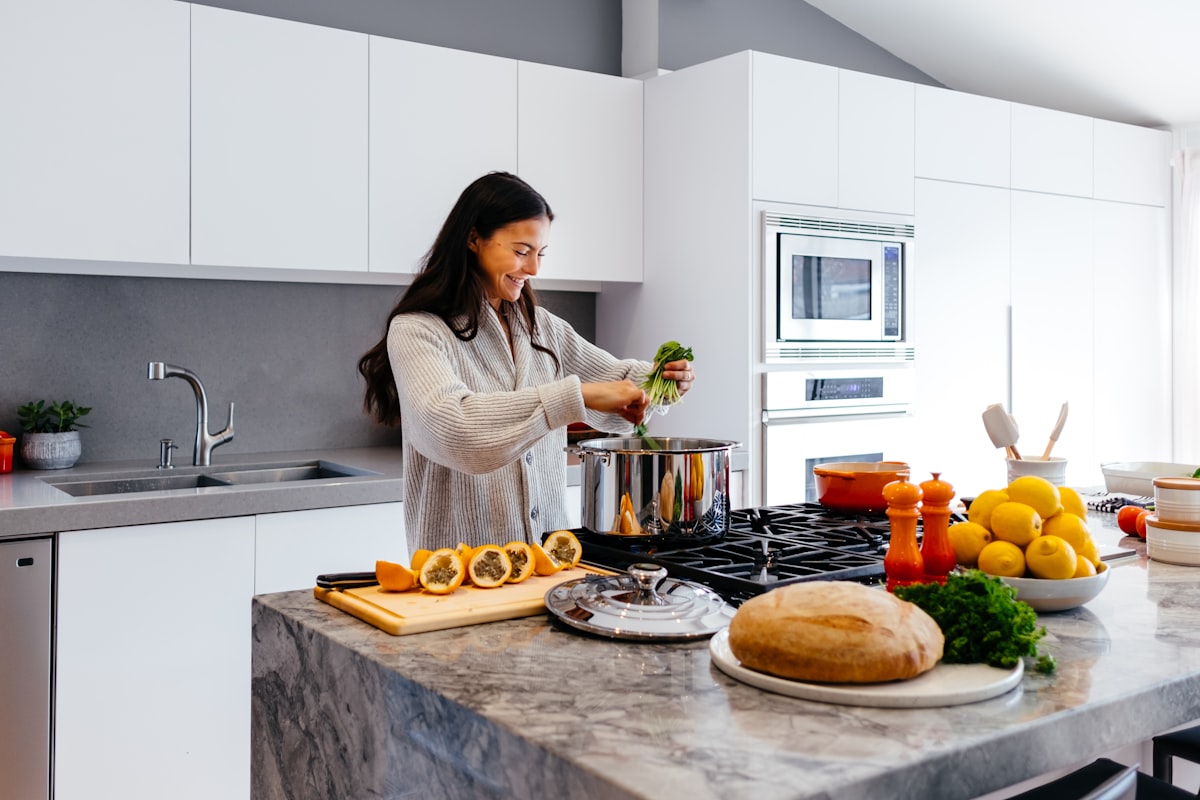
Plant-Based Healthy Cooking Methods
Master sustainable, nutritious cooking techniques that transform whole foods into delicious meals. Discover the science and art behind steaming, roasting, and more.
The information on this site is for educational purposes only and does not constitute medical advice. Always consult a qualified healthcare professional before making health decisions.
Our Cooking Methods
Steaming
Preserve vitamins and minerals by cooking with gentle steam. Learn how to properly steam vegetables, grains, and plant-based proteins while maintaining optimal nutrition and vibrant flavors.
Roasting
Develop rich, caramelized flavors through high-heat roasting. Discover temperature control, timing techniques, and seasoning strategies to create restaurant-quality roasted vegetables and plant-based dishes.
Raw Preparation
Maximize nutritional content by mastering raw food techniques. Explore salads, smoothie bowls, marinated vegetables, and nutrient-dense preparations that celebrate whole foods in their natural state.
Blending & Pureeing
Create smooth, creamy textures with proper blending techniques. Master soups, sauces, nut butters, and plant-based alternatives that add richness and nutrition to your daily meals.
Slow Cooking
Build deep, complex flavors over time with slow-cooking methods. Learn how extended, low-temperature cooking transforms legumes, whole grains, and root vegetables into tender, satisfying dishes.
Sprouting & Fermenting
Unlock enhanced digestibility and nutrient bioavailability through sprouting and fermentation. Discover ancient techniques that increase enzyme activity and create beneficial compounds in plant-based foods.
Why Choose Our Approach
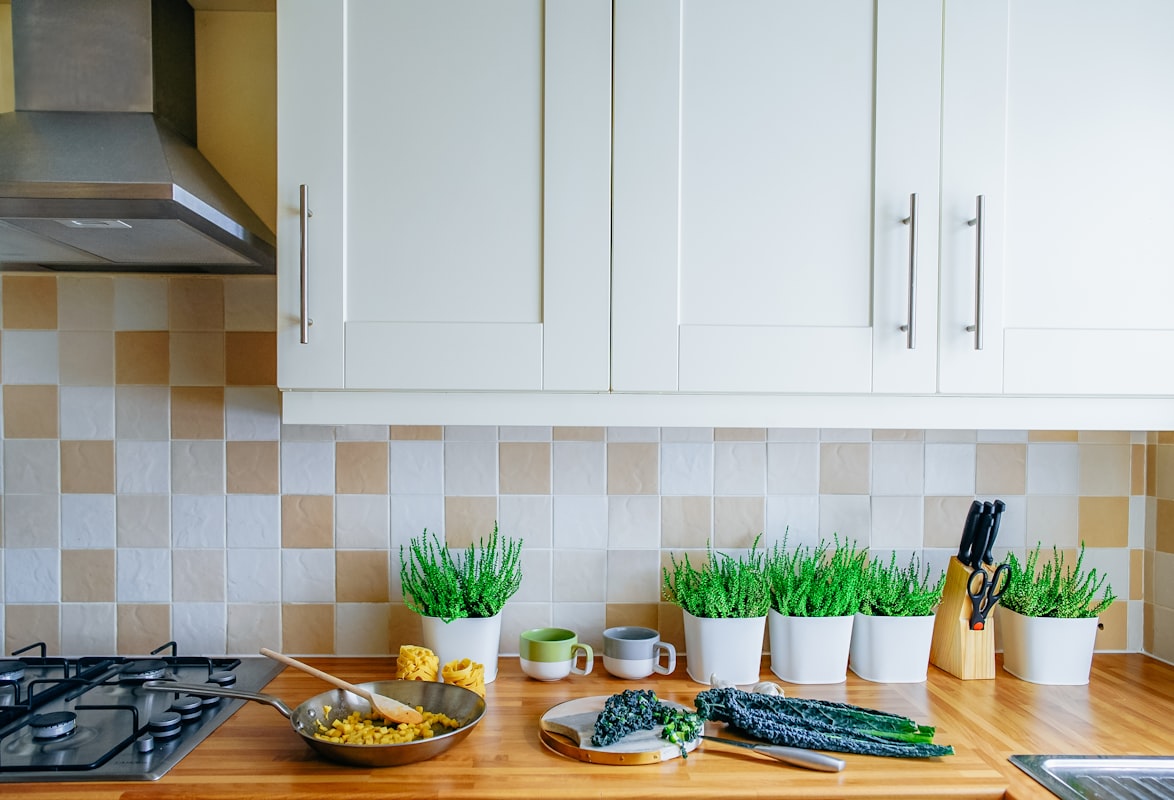
At Energyboostrecipes, we believe cooking is both science and art. Our editorial team has researched the best plant-based cooking methods to help you create meals that nourish your body and delight your senses.
- Evidence-based techniques: Each method is explained with nutritional science and practical application.
- Beginner-friendly guidance: Step-by-step instructions make even advanced techniques accessible to home cooks.
- Sustainability focus: Learn methods that minimize waste and maximize nutritional value from whole plant foods.
- Real recipes & stories: Discover authentic plant-based cooking from culinary experts and home cooks around the world.
5-Step Plant-Based Meal Preparation
Follow this structured approach to plan and prepare nutritious plant-based meals efficiently, using proper cooking methods for optimal results.
Plan Your Weekly Menu
Start by choosing 3–4 main plant-based dishes for the week. Consider seasonal vegetables, whole grains, and legumes. Group recipes by cooking method to streamline preparation and energy use.
Gather & Prepare Ingredients
Wash, peel, and chop vegetables according to your chosen cooking methods. Soak legumes and grains if required. Organize ingredients by cooking order to maintain efficiency and prevent cross-contamination.
Apply Proper Cooking Technique
Select the right method for each ingredient—steam delicate vegetables, roast root vegetables for deeper flavor, or slow-cook legumes for tender results. Monitor temperature and timing to preserve nutrition.
Season Thoughtfully
Layer flavors with herbs, spices, and quality oils. Add salt and acid (citrus, vinegar) at the end to enhance natural tastes. Taste as you go and adjust seasonings to balance nutrition and flavor.
Store & Enjoy
Cool meals completely before storing in glass containers for freshness and sustainability. Label with dates and enjoy throughout the week. Properly stored plant-based meals remain nutritious for 3–5 days.
Featured Recipe Gallery
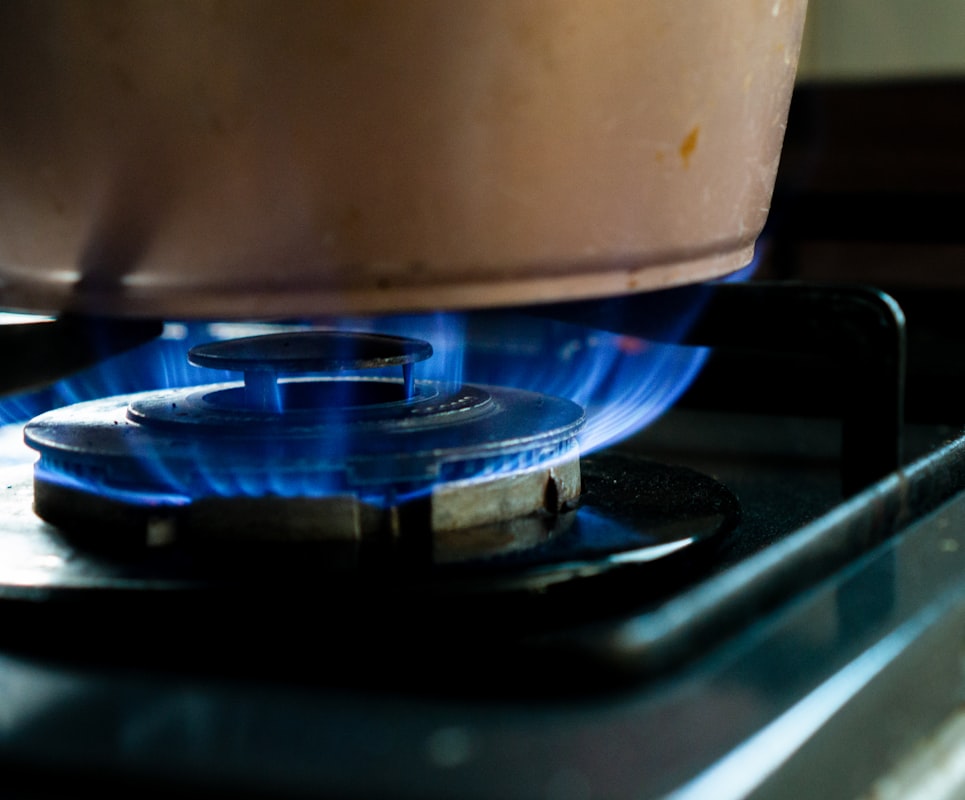
Roasted Vegetable Medley
Discover golden-brown root vegetables, peppers, and leafy greens roasted at optimal temperature for maximum flavor and nutrition.
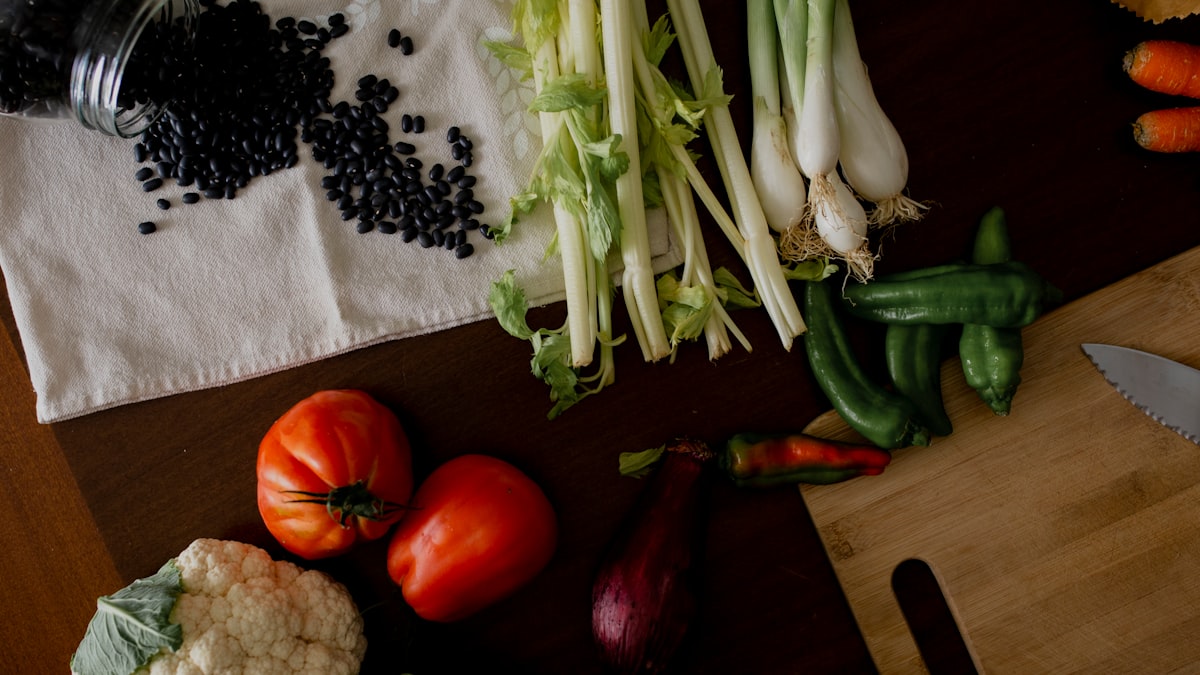
Steamed Grain Bowls
Learn proper steaming times for quinoa, millet, and buckwheat. Preserve texture and nutritional integrity with gentle heat.
Raw Salad Foundations
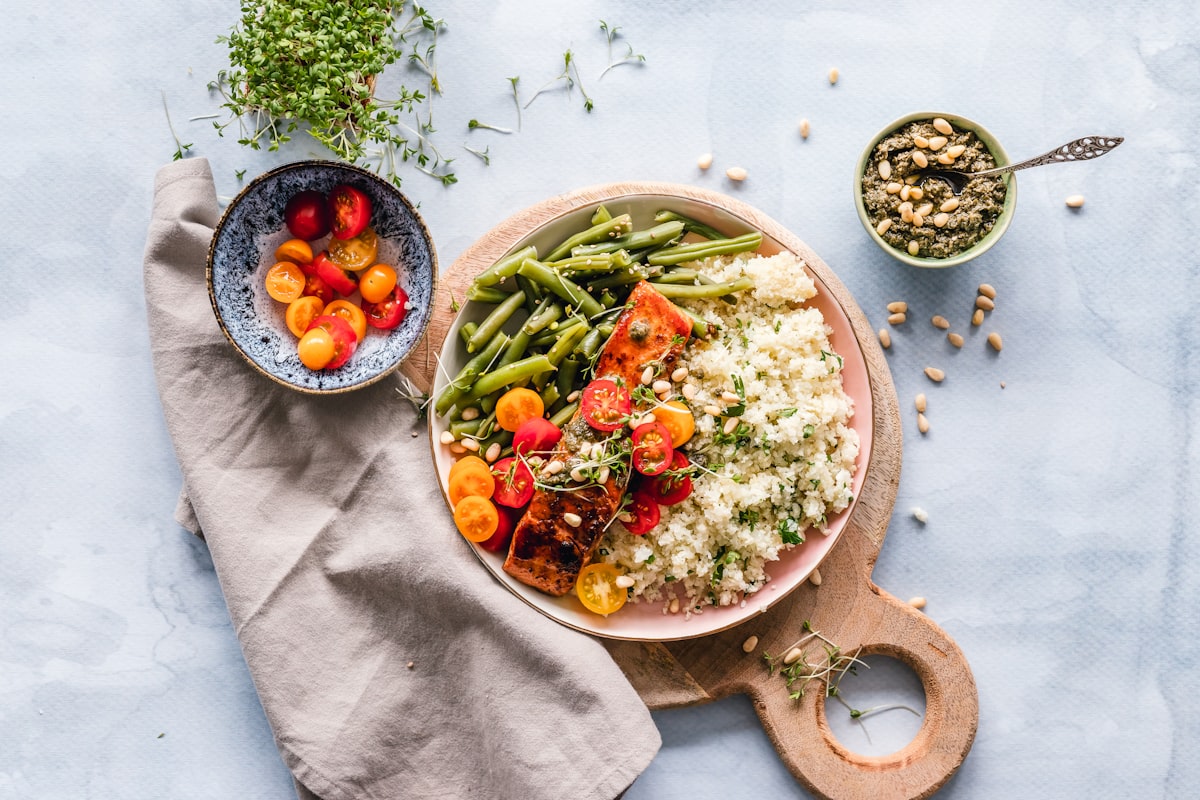
Explore vibrant raw preparations that maximize enzyme content and bioavailable nutrients from fresh, seasonal produce.
Blended Vegetable Soups
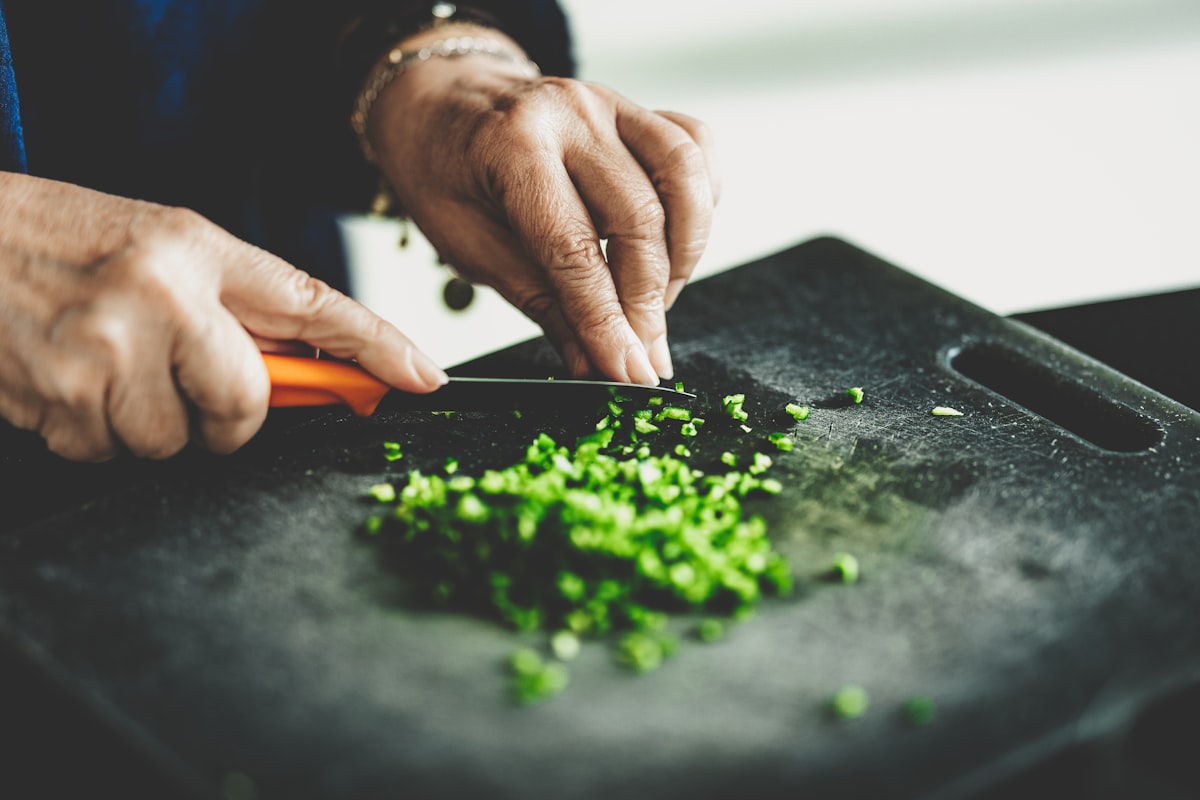
Master the art of creating silky, nutrient-dense soups using proper blending technique and plant-based cream bases.

Slow-Cooked Legume Curries
Tender chickpeas, lentils, and beans infused with aromatic spices and cooked low and slow for optimal digestibility.
Sprouted & Fermented Sides
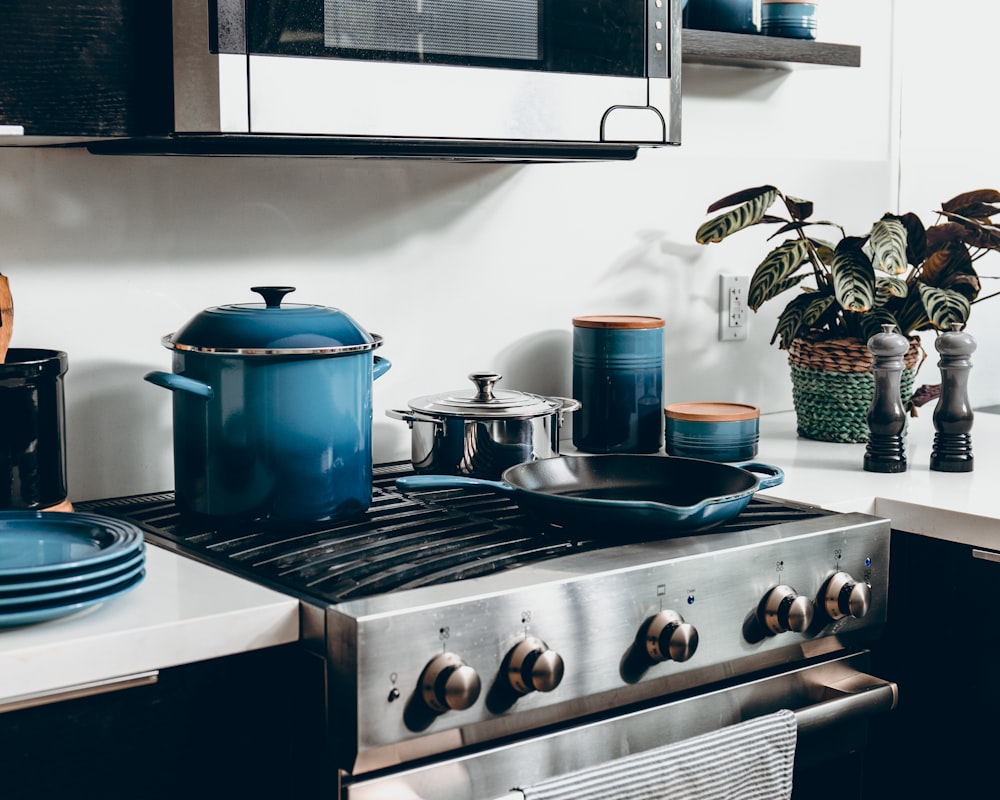
Unlock enzyme activity and beneficial compounds through sprouting and fermentation techniques explained step-by-step.
What Our Readers Say
"The steaming method guide completely changed how I prepare vegetables. I've never seen them so vibrant and nutritious-looking. The techniques are clearly explained and the science behind each method gave me confidence in the kitchen."
Sarah Meier, Munich
Food blogger and plant-based cook
"I was intimidated by plant-based cooking until I found Energyboostrecipes. The 5-step meal prep guide made everything manageable. Now I cook with confidence and enjoy the process so much more."
Michael Hoffmann, Berlin
Home cook, transitioning to plant-based diet
"The fermentation and sprouting article was exactly what I needed. The detailed instructions and historical context made me appreciate these techniques so much more. My family loves the tangy flavors now."
Elena Rossi, Frankfurt
Culinary instructor and wellness advocate
"Every recipe I've tried from your gallery has turned out perfectly. The photography is beautiful and the methods are foolproof. I've bookmarked most of your content and refer to it weekly."
Thomas Weber, Munich
Chef and nutrition consultant
Frequently Asked Questions
What is the healthiest way to cook vegetables?
Steaming is often considered the healthiest method because it preserves vitamins and minerals while maintaining texture. For added flavor without oil, try roasting at moderate temperatures (around 200°C). Raw preparation retains all enzymes and nutrients, making it ideal for salads. The best approach combines multiple methods throughout the week for nutritional variety.
How long should I soak legumes before cooking?
Most legumes benefit from 8–12 hours of soaking in cool water. This reduces cooking time, improves digestibility, and reduces gas-producing compounds. Some legumes like lentils cook quickly and don't require soaking. Always drain soaking water and rinse before cooking with fresh water.
Can I meal prep plant-based meals in advance?
Yes, most cooked plant-based meals store well in glass containers for 3–5 days in the refrigerator. Cool completely before storing to prevent condensation. Soups, stews, and grain bowls are particularly good for meal prep. Raw components like dressings and toppings are best added just before eating for maximum freshness.
What temperature is ideal for roasting vegetables?
Most vegetables roast beautifully at 200–220°C (390–430°F) for 20–35 minutes depending on size. Higher temperatures (up to 230°C) create more caramelization and deeper flavors on the exterior while maintaining moisture inside. Always toss vegetables with oil and season lightly before roasting for optimal results.
How do I start sprouting seeds at home?
Use a clean glass jar or sprouting tray. Soak seeds for 8–12 hours, drain, and rinse twice daily with cool water. Keep in a warm, dark place for 3–7 days depending on the seed type. When sprouts reach desired length (usually 1–2 inches), expose to light for a few hours to develop chlorophyll. Store sprouted seeds in the refrigerator.
Is slow cooking better than other methods?
Slow cooking excels at tenderizing tough plant fibers and developing deep flavors, making it ideal for legumes and root vegetables. However, it may reduce some heat-sensitive vitamins. A balanced approach uses slow cooking for specific dishes while combining it with steaming and raw methods to maximize nutritional diversity throughout your diet.
Subscribe to Our Editorial Updates
Receive new plant-based cooking articles, seasonal recipes, and technique guides delivered to your inbox twice monthly.
We respect your privacy. Unsubscribe anytime.
Dive Deeper Into Plant-Based Cooking
Explore our comprehensive articles, recipes, and guides to master every aspect of healthy plant-based cooking methods. Whether you're a beginner or experienced cook, there's always something new to learn.
Why Plant-Based Cooking Methods Matter
Nutrient Preservation
Different cooking methods preserve different nutrients. Steaming maintains water-soluble vitamins, while cooking with minimal water keeps minerals intact. Raw preparation provides maximum enzyme activity. By mastering multiple techniques, you ensure comprehensive nutrition from every meal.
Flavor Development
Roasting caramelizes natural sugars, slow cooking develops complex tastes, and fermentation creates depth through beneficial bacteria. Understanding these processes transforms simple plant foods into deeply satisfying dishes that your whole family will enjoy.
Digestive Health
Proper cooking methods break down plant fibers and anti-nutrients, making nutrients more bioavailable. Sprouting and fermentation add probiotics and enhance digestion. These techniques ensure your body absorbs maximum nutrition from every meal you prepare.